

In-Depth Analysis: How Circulators Work And Their Technical Advantages
Views: 0 Author: Site Editor Publish Time: 2026-06-01 Origin: Site


At Shenzhen Kerns Technology Co., Ltd., we are committed to offering cutting-edge solutions in the field of fiber optic components and laser equipment repair. Circulators are fundamental elements in modern signal routing and power distribution systems, playing a crucial role in a wide range of applications, from communication systems to radar technology and optical networks. These devices are responsible for directing signal flow in non-reciprocal directions, ensuring that energy is transmitted efficiently and effectively between different ports. In this article, we will explore the working principles of circulators, their technical advantages, and the applications that benefit from their use. We will also provide insights into how these devices compare to other signal routing components and the ongoing innovations driving their development.
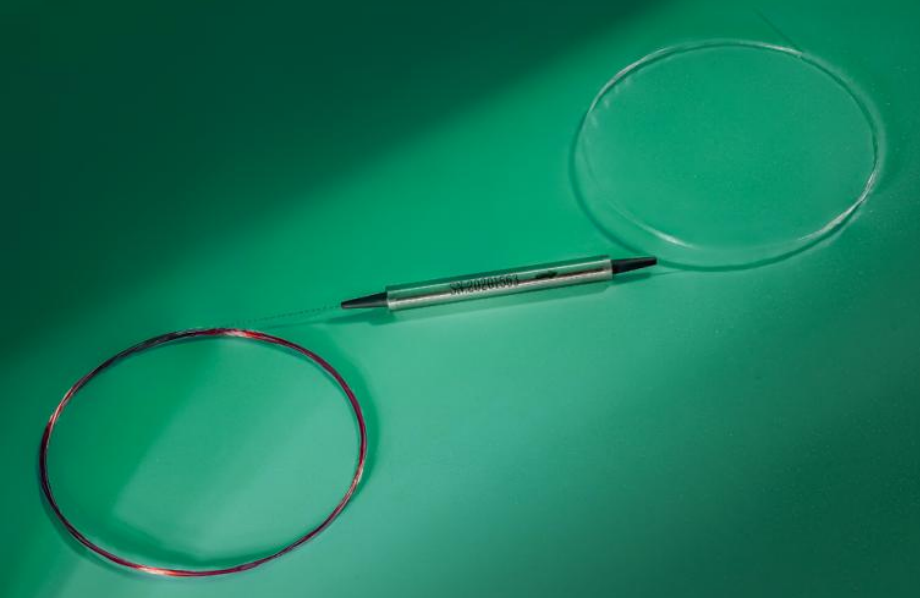
1. What is a Circulator?
A circulator is a non-reciprocal, multi-port device that is used to control the direction of signal flow in various systems. The device typically consists of a ferrite material, which interacts with magnetic fields to ensure that the signal flows in a specific direction. Circulators are widely used in applications requiring the efficient routing of energy, such as communication systems, radar, and optical networks.
Circulators can be categorized into two main types:
Ferrite Circulators: These are the most commonly used circulators, typically found in microwave and radio frequency (RF) applications. Ferrite circulators use the magnetization of ferrite materials to achieve the non-reciprocal behavior needed for directing signals. These devices are commonly used in communication systems, RF testing, and radar applications.
Optical Circulators: These devices operate on similar principles as ferrite circulators, but they are designed for light signals rather than electrical or RF signals. Optical circulators are widely used in fiber optic communication systems, where they help to route light signals between multiple fiber ports without interference or signal loss.
Both types of circulators serve the same basic function, but they differ in the materials used and the types of signals they are designed to handle. They are crucial for efficient signal routing, minimizing interference and loss, and ensuring that signals are transmitted accurately to their intended destinations.
2. How Does a Circulator Work?
Circulators operate on the principle of non-reciprocal behavior, meaning that the direction of signal flow is controlled and cannot be reversed. This is achieved by the interaction between the ferrite material in the circulator and the magnetic field. The magnetic field causes the ferrite material to behave in such a way that the signal is allowed to pass in one direction but not the other.
For example, in a typical three-port circulator, signals are injected into one port and routed through to the next port in the sequence. If a signal enters port 1, it will exit at port 2. If a signal enters port 2, it will exit at port 3. Similarly, a signal entering port 3 will exit at port 1. This flow of energy in a specific direction allows circulators to be used for directing signals between multiple ports in communication and power distribution systems.
The non-reciprocal behavior is critical for many applications, such as radar systems, where controlling the direction of energy flow is necessary for both transmitting and receiving signals. The circulator's ability to isolate and direct signals ensures that there is minimal interference between different parts of the system, enhancing overall performance and reliability.
3. Key Technical Advantages of Circulators
Circulators provide numerous benefits in terms of system performance, reliability, and efficiency. Below are some of the key technical advantages that circulators bring to modern communication systems and power distribution networks:
Low Insertion Loss and High Isolation: Circulators are designed to minimize signal loss while maintaining high isolation between different ports. This means that the energy passing through the circulator is efficiently transmitted with minimal power loss. At the same time, signals from other ports are blocked or isolated, ensuring that there is no interference in the system. This feature is particularly important in high-frequency applications, where even a small loss in signal power can affect the performance of the entire system.
Enhanced Efficiency in Signal Transmission: Circulators help to improve the efficiency of signal transmission by ensuring that energy flows in the correct direction and is not reflected back into the system. This reduces the potential for signal degradation and ensures that the transmitted signal reaches its destination with minimal distortion or loss. The ability to isolate signals from each other also ensures that each part of the system operates independently, contributing to the overall efficiency of the system.
System Protection: One of the key functions of circulators is to protect sensitive components in communication systems. By directing unwanted signals or power away from critical components, circulators help to prevent damage and ensure that the system remains operational. This is particularly important in systems where high power or high-frequency signals are used, as the circulator helps to prevent harmful feedback or reflections that could damage equipment.
Compact and Reliable Performance: Circulators, especially optical circulators, have become increasingly compact due to advances in material science and miniaturization. This allows them to be integrated into smaller devices without compromising performance. The reliability of circulators in various environments, including extreme temperatures and high frequencies, makes them ideal for use in a wide range of industries.
4. Comparison with Other Signal Routing Components
Circulators are often compared to other signal routing components such as isolators and duplexers. While these devices share some similarities, they serve different functions and are used in different applications.
Circulators vs. Isolators: Both circulators and isolators are non-reciprocal devices designed to control the direction of signal flow. However, isolators only allow signals to pass in one direction, preventing reflected signals from returning to the source. In contrast, circulators direct signals between multiple ports, which makes them more versatile in complex systems. While isolators are used to protect individual components, circulators are used to route signals through different parts of a system.
Circulators vs. Duplexers: Duplexers are used to separate transmitted and received signals in systems that use the same antenna for both transmission and reception. While circulators also direct signals between multiple ports, duplexers are specifically designed for systems where a single antenna is used for both transmission and reception, such as in two-way radios. Circulators, on the other hand, are used in more complex systems where precise control over multiple signal paths is needed.
5. Challenges and Innovations in Circulator Technology
While circulators offer numerous advantages, there are challenges associated with their use. One of the main challenges is the size and power consumption of traditional ferrite-based circulators. These devices can be bulky and require strong magnetic fields, making them less suitable for compact, low-power systems. However, advances in material science and miniaturization are helping to overcome these limitations.
The development of photonic integrated circuits (PICs) is enabling the creation of smaller, more efficient optical circulators that can be used in high-speed fiber optic networks. Researchers are also exploring new ferrite materials that offer better performance and reduced size, paving the way for more efficient circulators in both RF and optical applications.
In addition, the increasing demand for high-performance communication systems and the growing use of fiber optics in various industries are driving innovation in circulator technology. Manufacturers are continuously improving the design and materials used in circulators to meet the evolving needs of the market.
Conclusion
Circulators are vital components in modern communication systems and power distribution networks, offering numerous technical advantages such as low insertion loss, high isolation, and efficient signal transmission. At Shenzhen Kerns Technology Co., Ltd., we specialize in providing high-performance circulators that meet the rigorous demands of today’s high-tech applications. Our circulators are designed to deliver reliable, efficient, and cost-effective performance, ensuring that your systems operate at peak efficiency.
As the demand for advanced communication systems continues to grow, industries must adopt the latest circulator technologies to stay ahead of the competition. At Shenzhen Kerns Technology Co., Ltd., we are committed to providing our customers with the most innovative solutions. Contact us today to learn more about how our circulators can help enhance your systems and drive success in your business.


