

What Does A Depolarizer Do?
Views: 0 Author: Site Editor Publish Time: 2025-10-06 Origin: Site


A depolarizer helps keep light signals clear. It lowers polarization in fiber optic communication.
Polarization can make signal problems. It can hurt data quality.
Depolarizers are used in fast data centers and telecom networks. Strong performance is important there.
Companies like Kernstech give advanced solutions for good connections.
Key Takeaways
A depolarizer makes light signals better by mixing light waves. This keeps data clear and lowers mistakes in fiber optic systems.
There are two main kinds of depolarizers: passive and active. Passive ones use special shapes to spread light. Active ones use electricity to change how light moves.
Depolarizers are important in many uses, like communication systems and sensors. They stop signal loss and help send data without problems.
Depolarizer Mechanism
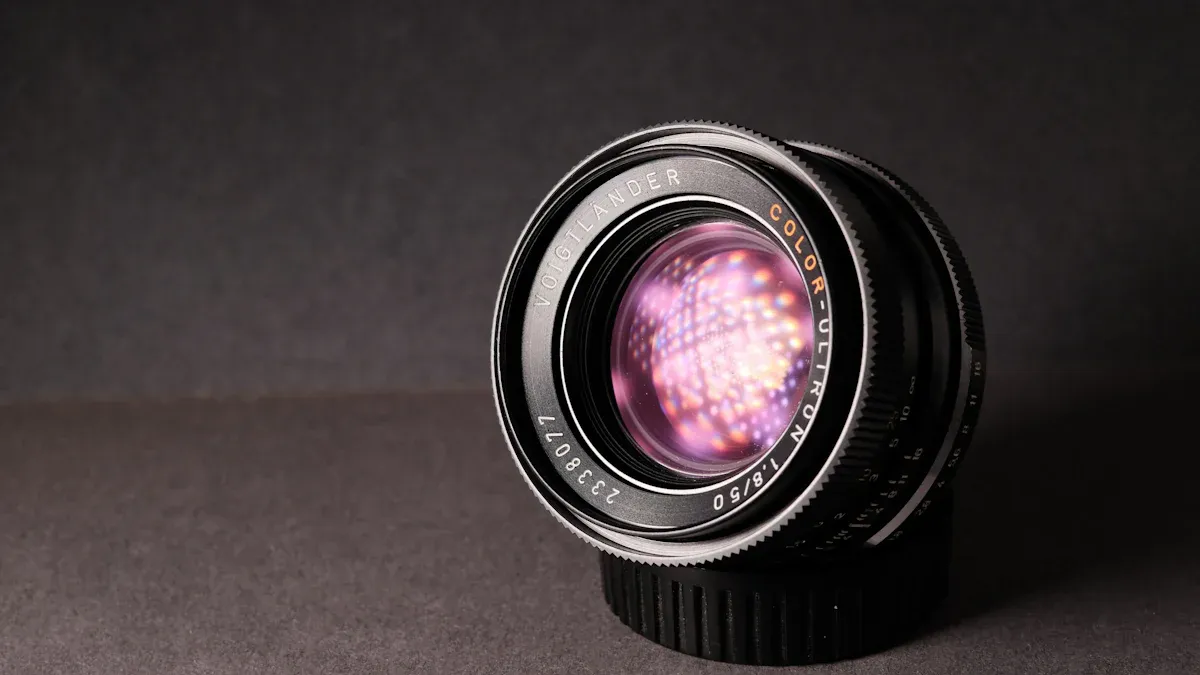
How It Works
A depolarizer changes how light moves. Light travels in waves. Sometimes, these waves go in the same direction. This is called polarization. Polarized light can make trouble in fiber optic systems. A depolarizer mixes up the wave directions. This makes the light more random and less organized.
There are two main kinds of depolarizers: passive and active. Passive depolarizers do not need outside power. They use special shapes or materials to scatter light waves. Active depolarizers use electricity or signals to change the light’s direction. Both types help keep fiber optic signals strong and clear.
Kernstech uses advanced depolarizer technology. This helps make connections reliable in data centers and telecom networks.
Scrambling Polarization
A depolarizer scrambles the polarization of light. The light waves stop moving in just one direction. Now, they spread out in many directions. Scrambling helps stop signal loss and keeps your data safe.
You can check how well a depolarizer works by looking at some numbers:
Degree of Polarization (DoP): This shows how much light stays lined up.
Effective Stokes Parameters: These numbers show the mix of light directions after depolarization.
A good depolarizer keeps the DoP low. It also mixes the Stokes Parameters well. This helps fiber optic systems work better and have fewer errors.
Depolarizer Applications
Fiber Optic Components
Depolarizers are used in many fiber optic systems. They help keep signals clear and strong. The table below shows where you might find a depolarizer:
Application Type | Description |
|---|---|
Fiber Sensor Systems | Used to lower polarization sensitivity in fiber optic sensors. |
Communication Systems | Helps stop polarization problems in communication systems. |
Temperature and Strain Sensing Systems | Good for fiber Bragg grating (FBG) systems for sensing. |
Distributed Sensing Systems | Used in Brillouin or Raman scattering systems for sensing. |
Acoustic Sensing Systems | Used in distributed acoustic sensing with Rayleigh scattering. |
Pump Lasers | Depolarizes pump lasers to stop polarization issues in Raman amplifiers. |
Depolarizers are needed to stop problems like polarization mode dispersion. They also help prevent polarization-dependent loss. These issues can make data less reliable. Using a depolarizer helps fiber optic networks work better. Kernstech gives solutions for these important uses.
You can control the polarization state of data to keep signals strong. This helps stop signal loss over long distances and keeps your data safe.
Other Uses
Depolarizers are also used outside fiber optics. You can find them in laser systems and science tools. They are also in measurement devices. For example:
They help control polarization in lidar and spectrometry. This makes measurements more correct.
They lower the degree of polarization, which is important for some systems.
New depolarizers, like liquid crystal types, show how much the technology has improved.
The market for optical fiber depolarizers is growing quickly. Experts think it will reach 1,250 million USD by 2035. This shows depolarizers are very important in today’s technology.
Depolarizer Types
Quartz-Wedge
A quartz-wedge depolarizer uses a wedge-shaped quartz block. This shape changes how light moves through the crystal. It is good for checking how materials bend light in labs. You can use it to find special directions in a sample. How well it works depends on the light’s wavelength. It works best with the right kind of light.
Lyot
The Lyot depolarizer has two or more plates made from special materials. These plates are set at certain angles. This setup changes the light’s direction in many ways.
Lyot depolarizers are used in many fiber optic systems. They work with many kinds of light sources.
Liquid Crystal Polymer
Liquid crystal polymer depolarizers let you control them more. You can change their settings to fit your needs. Here are some reasons to pick this type:
You can adjust them for better control.
They work well in optical systems and sensors.
They switch fast and handle shocks and heat.
They help lower noise in quantum systems.
These features make them popular in new optical networks and sensors.
Passive Optical Fiber
Passive optical fiber depolarizers work inside fiber optic cables. They use designs like the Lyot depolarizer with angled plates. Some use a fiber-ring shape with special couplers. This setup mixes the light’s direction so no single way wins. You find these in fiber optic networks because they keep signals clear and steady.
When picking a depolarizer, think about your light source and what your system needs. Kernstech has solutions for many needs.
You use a depolarizer to make light signals clear. It helps stop noise and mistakes in fiber optic systems.
FAQ
What does a depolarizer do in fiber optics?
A depolarizer mixes up light waves. This makes signals clearer. It also helps lower errors in fiber optic networks.
How do you choose the right depolarizer?
You need to think about your system’s needs. You should check what kind of light source you have. Kernstech gives choices for many fiber optic systems.
Can you use a depolarizer with lasers?
Yes, you can use a depolarizer with lasers. It helps you control light better. It also makes measurements more accurate.


