


High Precision VOA Variable Optical Attenuator For Optical Networks
Kernstech's 532nm/633nm Circulator is a high-performance optical device used to control the direction of light within fiber optic systems. With a center wavelength of 532nm and 633nm, this circulator is ideal for use in a range of applications such as fiber amplifiers, fiber sensors, and medical devices. The product is designed to minimize insertion loss, provide high return loss, and ensure robust isolation, ensuring consistent signal integrity. Its polarization-insensitive nature makes it suitable for diverse environments, ensuring stable operation in both standard and advanced systems.
| Quantity: | |
|---|---|
| PDF Export | |


Product Description
Product Description
The Variable Optical Attenuator (VOA) is an advanced optical component meticulously engineered to dynamically adjust optical signal intensity with high accuracy and long-term reliability. Designed to meet the rigorous demands of modern communication infrastructure, this device provides continuous, electrically controlled attenuation across a broad wavelength spectrum ranging from 1200 to 1650 nm. By maintaining precise control over signal power levels, it ensures stable network performance and prevents receiver overload, making it an indispensable asset for telecommunications, data center operations, and specialized optical equipment manufacturing.
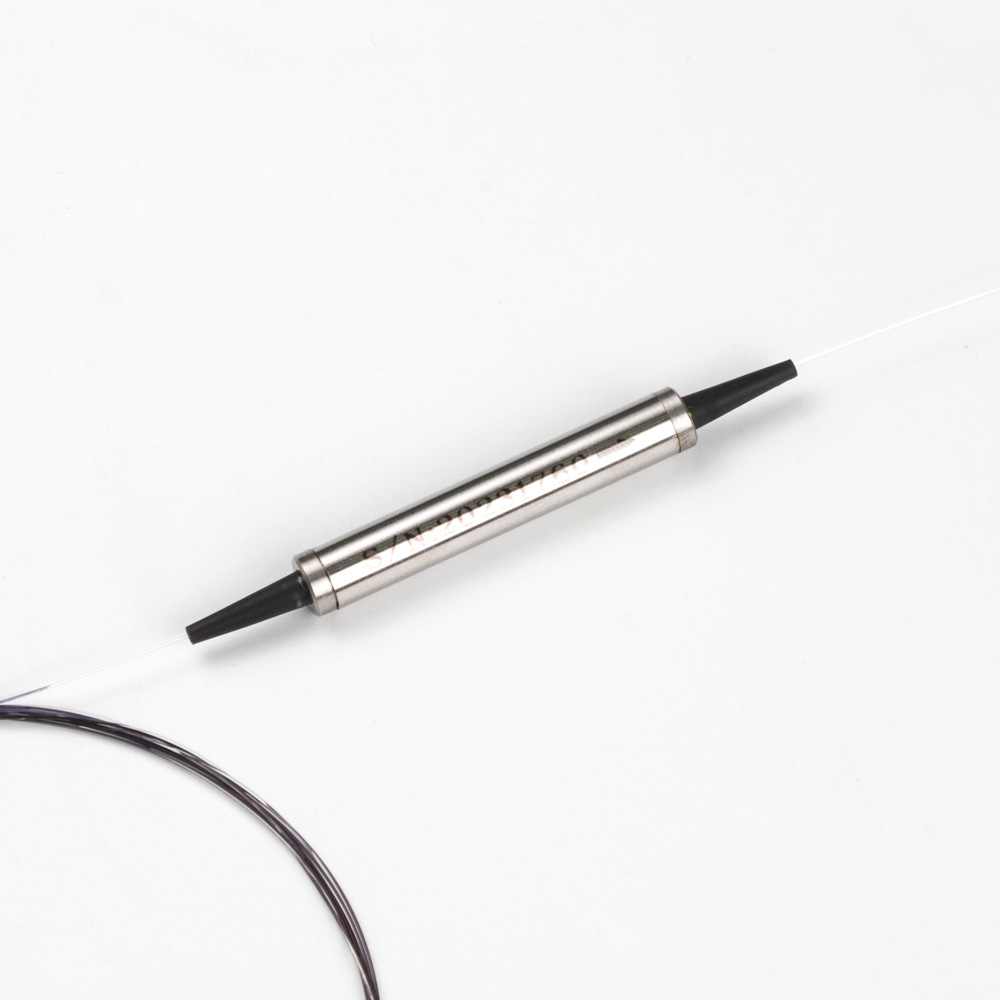
Advanced MEMS and Magneto-Optic Technology
Leveraging proven micro-electromechanical systems (MEMS) or magneto-optic technology, this variable optical attenuator delivers rapid response times and highly stable attenuation states. The integration of these technologies allows for continuous electrical control, enabling network operators and system integrators to automate signal conditioning processes with minimal latency. Furthermore, the internal components are protected by a durable, hermetically sealed housing. This ruggedized construction guarantees stable, drift-free performance even in harsh industrial environments or fluctuating laboratory conditions, significantly reducing maintenance requirements and extending the operational lifespan of the entire optical system.
Core Features & Procurement Advantages
Broad Wavelength Spectrum (1200–1650 nm): Capable of covering multiple critical transmission bands, this wide operational range ensures versatile deployment across various optical network architectures. It allows procurement teams to standardize on a single component for multiple wavelength requirements, simplifying inventory management.
Ultra-Compact Form Factor (≤30mm in length): Engineered for high-density integration, the extremely compact design (length ≤30mm) allows the VOA to be easily incorporated into space-constrained optical modules, transceivers, and complex circuit boards without requiring extensive layout modifications.
Low Insertion Loss: Minimizes unintended signal degradation when the device is set to zero or minimum attenuation, preserving the overall power budget of the optical link and ensuring maximum signal integrity from source to destination.
High Attenuation Range: Provides extensive dynamic control over light intensity, allowing for precise calibration, signal leveling, and flexible adaptation to diverse operational scenarios.
Typical Application Scenarios
The reliability and precise control offered by this VOA make it a fundamental tool for a wide array of demanding applications. By integrating this component, engineers can ensure stable signal management across multiple sectors:
Optical Networks & Telecommunications: Highly suitable for dynamic channel power equalization in Dense Wavelength Division Multiplexing (DWDM) systems, optical add-drop multiplexers (OADM), and erbium-doped fiber amplifier (EDFA) gain tilt control.
Advanced Laser Systems: Provides critical power management and stabilization for industrial and research laser systems, actively protecting highly sensitive optical receivers from optical surges and unexpected power spikes.
Precision Measurement & Laboratory Setups: Serves as a vital building block in optical test and measurement equipment, facilitating accurate instrument calibration, component testing, and continuous signal conditioning in controlled laboratory environments.
Download


