

How Does Heat Leave a High Power Combiner Package?
Views: 0 Author: Site Editor Publish Time: 2026-09-30 Origin: Site


Did you know thermal management is the biggest bottleneck in modern laser architecture?
Even a microscopic one percent optical loss creates massive, localized heat. This intense thermal load can quickly destroy a high-power component if not managed correctly. In this comprehensive guide, you will learn the exact thermodynamic path thermal energy takes to exit the package. Understanding this process ensures your laser setup remains stable, efficient, and protected under extreme industrial conditions.
Key Takeaways
Heat Generation is Inevitable: Optical loss at splice points and fused regions generates significant caloric energy. This thermal flux must be strictly managed to prevent catastrophic component failure.
Conduction is King: Thermal energy primarily leaves a package through direct thermal conduction. It moves rapidly from the bare fiber to specialized potting compounds, into the metal housing, and finally down to a liquid-cooled heat sink.
Specialized Components Require Specialized Cooling: Devices handling polarized light demand perfectly symmetrical thermal management. Asymmetric heat distribution induces mechanical stress that degrades the Polarization Extinction Ratio.
System Synergy: An optical setup operates most reliably when paired with protective downstream components. This strategy prevents back-reflected thermal energy from returning and vaporizing sensitive laser diodes.
The Source of the Thermal Load: Why Do High Power Combiners Get Hot?
Understanding how caloric energy leaves a package requires first examining its origin. No optical component is perfectly efficient in high-power fiber laser systems. The fundamental laws of thermodynamics dictate that any lost optical power inevitably converts into raw heat.
Optical Loss and Scattering
When multiple laser beams merge into a single delivery fiber, the light navigates complex fused regions and delicate splice joints. Microscopic imperfections exist even with state-of-the-art manufacturing. Mode field mismatches between different fibers, slight misalignments during the splicing process, and natural impurities in the silica glass cause a small percentage of photons to scatter. Instead of traveling safely down the core of the fiber, this rogue scattered light escapes into the surrounding cladding.
Absorption in Fiber Coatings
Light escaping into the cladding does not simply disappear. Fiber optics feature outer polymer protective coatings. These coatings are absolutely not designed to transmit high-intensity light. When scattered cladding light hits this polymer layer, the material absorbs the optical energy like a sponge. The molecules in the polymer vibrate rapidly, converting optical energy directly into thermal energy. If engineers do not extract this localized heat immediately, the polymer coating will scorch. This leads to the rapid, catastrophic failure of the entire optical package.
The Kilowatt Challenge
To truly grasp the scale of this problem, consider the mathematics of multi-kilowatt laser systems. The heat flux density inside a fused glass bundle is staggering.
System Output Power | Optical Loss Rate | Heat Generated | Equivalent Heat Source |
|---|---|---|---|
500 Watts | 2% | 10 Watts | Small LED bulb |
2,000 Watts | 2% | 40 Watts | Soldering iron tip |
6,000 Watts | 1.5% | 90 Watts | High-end CPU processor |
10,000 Watts | 1% | 100 Watts | Intense localized heat |
Generating 40 to 100 watts of heat might not sound extreme in a large open room. Inside a sealed package, however, this thermal energy concentrates in a microscopic fused glass region smaller than a matchstick. Managing this extreme heat flux density remains the primary engineering challenge in modern laser packaging.
The Core Physics: How Heat Leaves the Package
Heat inherently flows from hot to cold regions. In optical packaging, this transfer relies on three fundamental mechanisms. One of these plays a vastly dominant role in ensuring component survival.
Thermal Conduction — The Primary Path
Thermal conduction transfers heat through solid materials via molecular collision. This is the absolute most critical cooling mechanism in a high-power laser package. Heat generated in the fragile glass fiber must conduct outward through layers of thermal adhesives, into the rigid metal housing, and down into the system cold plate. The efficiency of this path strictly depends on the thermal conductivity measured in watts per meter-kelvin of the materials used. Engineers meticulously select materials with incredibly low thermal resistance to ensure heat flows rapidly away from the core.
Convection — The Secondary Path
Convection involves transferring heat from the surface of the solid package to a fluid, which can be either ambient air or a cooling liquid. While the internal components rely entirely on solid-state conduction, the external housing relies on convection to shed the accumulated heat into the environment. Natural air convection might suffice in low-power systems. In stark contrast, kilowatt-class systems make forced liquid convection mandatory to maintain safe and stable operating temperatures.
Radiation — The Minor Factor
Thermal radiation is the emission of electromagnetic waves from all matter with a temperature above absolute zero. The metal housing does radiate a tiny amount of heat into the surrounding environment. However, this effect is mathematically negligible in industrial laser cooling. Radiation accounts for less than a fraction of a percent of the total heat transfer at typical operating temperatures of 30 to 50 degrees Celsius. Therefore, engineers focus their designs almost entirely on optimizing conduction and convection.
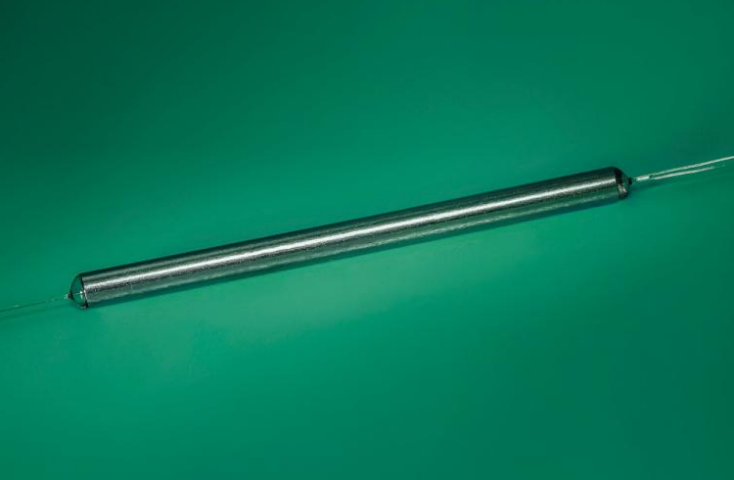
Step-by-Step Thermal Path Inside a Combiner
Demystifying thermal management requires tracing the physical journey of a photon converted to heat. A well-engineered High Power Combiner Series features a multi-layered architecture specifically designed to facilitate this rapid thermal journey without bottlenecking. Advanced combiners boast pump efficiencies exceeding 99 percent, ensuring minimal initial heat generation, but the residual heat still requires a flawless exit strategy.
From Fiber to Potting Compound
The journey begins at the bare glass fiber. Air acts essentially as an insulator, meaning the delicate fused region of the fiber cannot be left suspended in empty space. Instead, manufacturers thoroughly encapsulate it in a specialized potting compound. These advanced thermal epoxies serve a dual purpose. Optically, they feature a carefully calibrated low refractive index to safely strip away unwanted cladding light. Thermally, they possess high thermal conductivity. This pulls the heat directly out of the glass and spreads it rapidly across a much larger surface area.
From Potting Compound to the Metal Housing
Heat must transfer to the external package once it moves into the potting compound. The housing is typically precision-machined from oxygen-free copper or aerospace-grade aluminum. Copper is highly favored for multi-kilowatt systems because its thermal conductivity is nearly double that of aluminum. The metal housing acts as a massive thermal sponge. It rapidly draws heat away from the epoxy and distributes it evenly across the bottom footprint of the package.
From Housing to the External Cold Plate
The physical interface between the metal housing and the end-user cold plate represents the final internal step. This junction is frequently the weakest link in the entire thermal chain. Microscopic roughness creates tiny air gaps that severely block heat transfer, even if two metal surfaces look perfectly flat to the naked eye. Engineers apply a thin layer of Thermal Interface Material to bridge these invisible gaps. This ensures maximum contact area, allowing the thermal energy to seamlessly exit the package and enter the primary heat sink.
Industry Trends: The Evolution of Thermal Management in Kilowatt Lasers
Recent market analyses and engineering reports highlight a dramatic shift in how heat leaves a high-power package. As the industrial laser sector pushes aggressively toward 20-kilowatt and 30-kilowatt continuous-wave systems for thick-plate metal cutting, thermal density has become the absolute limiting factor. The traditional approach of bolting a component to a bulky copper block is rapidly becoming obsolete.
Modern packaging trends show a distinct move toward advanced micro-channel liquid cooling integrated directly into the component footprint. By bringing the cooling fluid closer to the fused glass region, engineers drastically reduce thermal resistance. Furthermore, as laser architectures become increasingly compact, reliance on ultra-high-conductivity phase-change materials is replacing standard thermal greases across the board. These materials guarantee long-term stability without the degradation or pump-out effects that plague traditional thermal pastes.
Active vs. Passive Cooling Strategies
The laser system builder must decide how to remove heat from the machine entirely once it reaches the external housing. The total output power and the continuous operating time of the laser dictate this critical decision.
Passive Cooling — Air and Heat Sinks
Passive cooling relies on natural or forced air flowing over a finned aluminum heat sink. The component bolts directly to the heat sink, and the fins drastically increase the surface area exposed to the air to enhance convection. This method is ideal for sub-kilowatt systems, pulsed lasers with low duty cycles, or medical lasers operating for very short durations. Air has a very low heat capacity, though. Passive cooling simply cannot remove heat fast enough in multi-kilowatt continuous-wave systems, inevitably causing the internal temperature to rise until total failure occurs.
Active Cooling — Water and Liquid Systems
Active liquid cooling is absolutely non-negotiable for industrial cutting and welding lasers operating in the multi-kilowatt range. Water has a thermal capacity approximately four thousand times greater than air. The package bolts tightly onto a liquid-cooled cold plate. A chiller pumps temperature-controlled water through complex microchannels inside the plate. This actively absorbs the heat and carries it away from the system, providing absolute temperature stability and preventing thermal drift in optical performance.
Thermal Challenges in a Polarization Maintaining Pump Combiner
Managing heat in standard components is already a complex thermodynamic task. The thermal management constraints become exponentially more rigid when the system architecture requires polarized light. A Polarization Maintaining Pump Combiner introduces unique physical vulnerabilities that demand highly specialized cooling strategies to maintain optical integrity. High-end components must maintain a Polarization Extinction Ratio greater than 18 decibels while handling high pump powers, making thermal symmetry critical.
The Physics of PM Fiber Birefringence
Understanding why thermal management is so critical here requires examining the cross-sectional geometry of Polarization Maintaining fiber. These fibers feature internal structures called Stress-Applying Parts. These doped silica regions run parallel to the fiber core and possess a significantly different Coefficient of Thermal Expansion compared to the surrounding pure fused silica cladding. The Stress-Applying Parts contract more than the silica as the fiber cools during manufacturing. This induces a permanent, highly directional mechanical stress across the core. This intentional birefringence locks the polarization state in place.
How Heat Degrades Polarization
The precise mechanical stress enabling a PM fiber to function is incredibly sensitive to temperature fluctuations. The internal structures and the silica cladding respond differently to thermal energy when optical loss generates localized heat. This causes the materials to expand at unequal rates, relaxing the internal mechanical stress established during manufacturing. The birefringence of the fiber decreases as the stress field diminishes or becomes asymmetric.
Cross-coupling between the fast and slow polarization axes increases when birefringence drops. The immediate result is a severe degradation of the Polarization Extinction Ratio. A drop in this ratio can render the entire laser system completely ineffective in precision applications such as coherent beam combining. Uneven thermal gradients across the package can also induce external mechanical stress on the fiber, further exacerbating polarization cross-talk.
Advanced Symmetrical Packaging
Manufacturers utilize advanced, highly symmetrical packaging designs to mitigate these risks. The ultimate goal is ensuring heat leaves the component completely uniformly. This prevents any directional thermal gradients from warping the fiber. Engineers use highly engineered thermal epoxies that strike a delicate balance. They need high thermal conductivity to pull heat away quickly, but they must also possess high flexibility to act as a mechanical buffer. Symmetrical metal housings combined with compliant adhesives allow heat to exit the package evenly without inducing unwanted stress.
System Protection: The Role of the High Power Isolator
Thermal management must be viewed holistically across the entire laser architecture. A component does not operate in a vacuum; it is physically linked to downstream components and the final workpiece. One of the most catastrophic sources of heat actually originates from the external application environment rather than from within the component itself.
The Danger of Back-Reflection
Fiber lasers are frequently used to cut highly reflective metals such as copper, brass, and aluminum in industrial materials processing. Imagine a 10-kilowatt beam hitting a highly reflective copper sheet. A significant percentage of the optical power can act like a mirror and bounce backward into the delivery fiber. This back-reflected light travels in the reverse direction through the system. The optical geometry inverts when it reaches the output fiber of the combiner. The backward-traveling light strips out into the polymer coating of the fibers and the surrounding potting compounds.
Polymers and epoxies are rated for minimal forward-scattering loss. A sudden surge of back-reflected multi-kilowatt power will instantly overwhelm the thermal capacity of these materials. The resultant heat spike vaporizes thermal adhesives and causes irreversible failure within milliseconds.
Stopping Heat at the Source
System builders must integrate a High Power Isolator into the optical path to protect sensitive upstream pump laser diodes. Placed after the combiner, an isolator acts as an optical one-way valve. High-power isolators utilize magneto-optic materials housed within strong permanent magnets to exploit the Faraday effect. Forward-traveling light passes through effortlessly, boasting low insertion loss. Back-reflected light, however, is rotated and rejected, providing isolation levels often exceeding 30 decibels.
The isolator redirects the reflected light into internal beam dumps or specialized heat sinks instead of allowing this massive backward energy to reach vulnerable components. The isolator takes on the thermal burden by absorbing the back-reflection locally. This ensures the rest of the system operates strictly within its designed forward-power thermal limits.
Best Practices for Mounting Your Optical Components
The manufacturer handles internal thermodynamics, but the laser system integrator controls the final step of heat transfer. Moving heat from the housing to the ambient cooling infrastructure is a critical operation. Proper mounting is the difference between a component that lasts for tens of thousands of hours and one that fails during initial testing.
Use High-Quality Thermal Interface Materials
Microscopic imperfections exist on the surface of even the most precisely machined metal housing. The actual metal-to-metal contact area can be shockingly low when placed against a flat liquid-cooled cold plate. Standard consumer-grade thermal pastes are wildly insufficient for multi-kilowatt optical components. Engineers must select Thermal Interface Materials with high thermal conductivity and excellent long-term stability. This prevents the pump-out effect, where thermal cycling physically squeezes the paste out over time.
Material Type | Typical Thermal Conductivity | Advantages | Disadvantages |
|---|---|---|---|
High-Performance Grease | 3.0 - 8.0 W/m·K | Excellent surface wetting, ultra-thin bond line. | Susceptible to pump-out effect over time. |
Phase Change Material | 4.0 - 10.0 W/m·K | Solid at room temp, melts at operating temp to fill voids perfectly. No pump-out. | Requires initial heat cycle to activate. |
Graphite Thermal Pads | 5.0 - 15.0 W/m·K | Extremely reliable, reusable, zero pump-out risk. | Requires high mounting pressure; thicker bond line. |
Liquid Metal Alloys | 40.0 - 80.0 W/m·K | Unmatched thermal transfer capabilities. | Electrically conductive; can corrode aluminum housings. |
Maintain Proper Torque
Applying the correct mounting pressure is a delicate operation. Fasteners must be tightened to specific values when an engineer torques down a copper housing using a calibrated wrench. The interface material will not compress sufficiently if under-torqued, leaving a thick thermal bottleneck. Over-torquing is equally dangerous. Excessive pressure physically warps the housing. A bowed package lifting off the cold plate by just a few microns completely severs the thermal conduction path, leading to immediate optical loss.
Ensure Surface Flatness and Roughness
The efficiency of conductive heat transfer is directly proportional to the quality of the mating surfaces. The cold plate must meet strict specifications for both flatness and surface roughness. No amount of thermal paste will compensate for the macroscopic gap if the heat sink surface is concave or convex. Typically, the mounting surface should have a flatness specification of better than 0.05 millimeters over the contact area. Machining the cold plate to these strict specifications ensures maximum surface area utilization for rapid thermal conduction.
Conclusion
Heat management ultimately dictates the lifespan and reliability of any high-power laser system. Proper cooling prevents critical failures, maintains optical stability, and protects expensive laser diodes from thermal degradation. Engineers must control thermal paths with absolute precision, utilizing high-quality interface materials and robust liquid-cooled plates to ensure safe and rapid heat transfer. By understanding the intricate thermodynamic journey from the bare fiber to the external heat sink, system builders can safeguard their delicate optical architectures and push the boundaries of multi-kilowatt performance. For industry-leading optical components designed with unparalleled thermal stability, explore the advanced product lineup at Kernstech to elevate your next laser system build.
FAQ
What happens if a high-power optical component gets too hot?
Excessive heat causes the polymer coating on the delicate fibers to degrade and burn, leading to catastrophic optical failure. This rapid thermal overload induces severe mode instability and results in permanent, irreversible physical damage to the internal glass structure.
Can I use air cooling for a multi-kilowatt system?
Generally, no. Multi-kilowatt systems mandate active liquid cooling via specialized micro-channel cold plates. Air cooling simply lacks the thermal capacity to remove the massive heat load rapidly enough. Relying on air in high-power scenarios inevitably causes internal adhesives and fiber coatings to melt.
How does heat affect polarization-maintaining components differently?
Thermal energy causes physical expansion, which forcefully alters the carefully calibrated internal mechanical stress of the Polarization Maintaining fiber. If the heat does not leave the package perfectly symmetrically, this shifting stress field degrades the polarization state and severely lowers the Polarization Extinction Ratio.
Why do I need an isolator if my setup is already well-cooled?
An isolator actively prevents intense, back-reflected light from re-entering the upstream components during materials processing. Unexpected reverse-light can instantly overwhelm the cooling capacity of your system and vaporize internal structures within milliseconds without this critical optical one-way valve.
How do you calculate the cooling requirement for a high-power combiner?
Engineers calculate the cooling requirement by determining the maximum optical loss percentage multiplied by the total input power. For example, a ten-kilowatt system with a one percent loss generates one hundred watts of pure thermal energy. The cooling system must be sized to continuously extract this wattage while maintaining the component housing below its maximum specified operating temperature, typically around forty-five degrees Celsius.
What is the difference between active and passive cooling in laser packages?
Passive cooling relies on natural heat dissipation through ambient air and finned heat sinks without moving parts, making it suitable only for low-power applications. Active cooling forces a fluid, usually chilled water, through a cold plate using mechanical pumps. This aggressive heat extraction method is mandatory for kilowatt-class industrial lasers to prevent thermal runaway.


